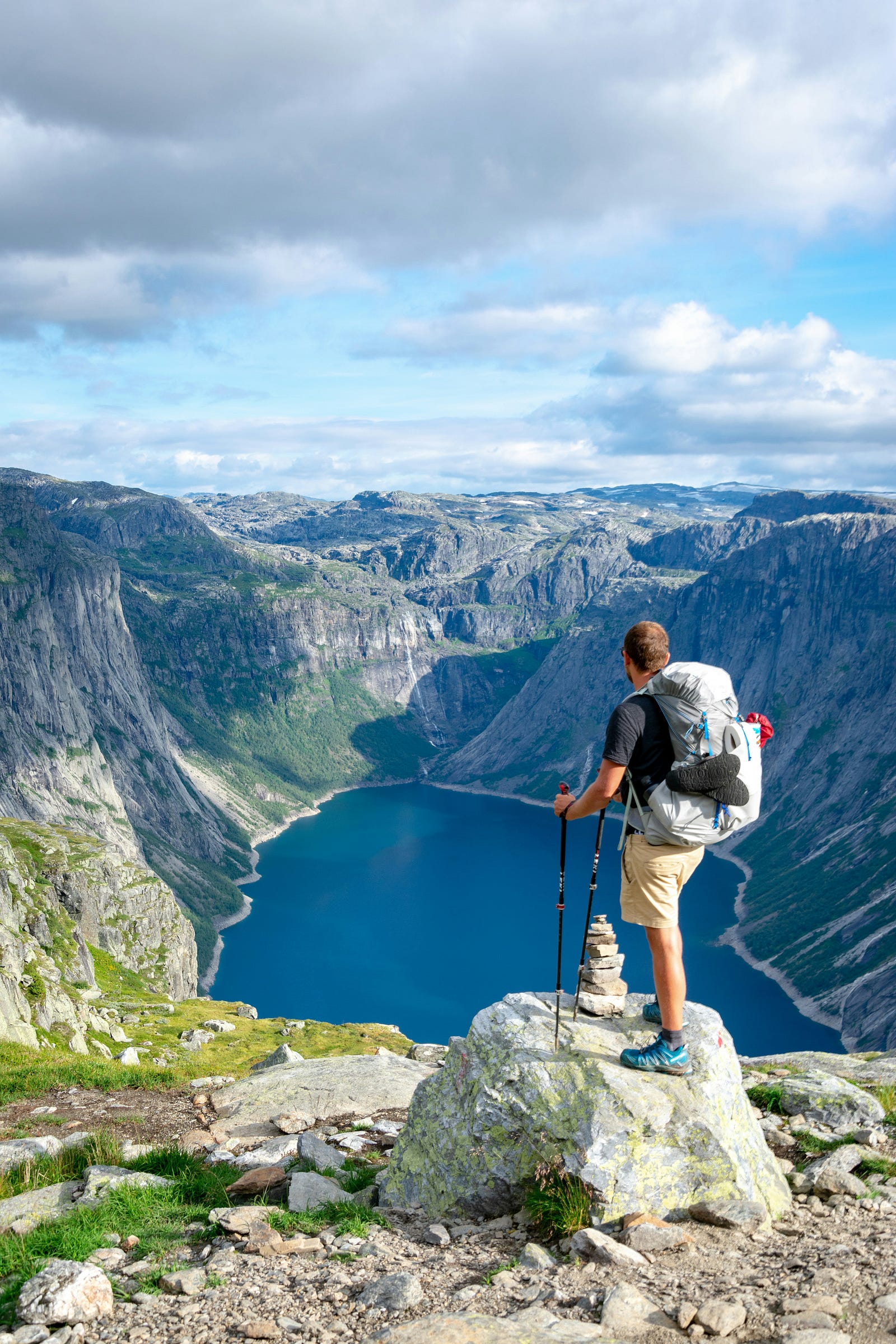
Have you ever felt the urge to vanish from the digital world — to delete every account, shut off every device, and walk away into the quiet of the woods?
This reflection explores what it really means to destroy your digital existence, not from a place of tech-hating rebellion, but from a desire to breathe, reset, and rethink what we’ve built our lives around.
It’s not a guide or a manifesto — just a conversation over coffee, wondering aloud: what are we holding onto, and what might we gain by letting go?
That’s a heavy one — but one I think about more often than I expected to.
The question that keeps nagging me is:
What would it really mean to destroy your digital existence?
Like, not just logging off for a weekend or turning off notifications, but actually disappearing from the digital map — no email, no social media, no phone, no GPS, no browsing history.
Would it feel like freedom?
Or isolation?
Would it be a reset — or an erasure?
So far, I’ve learned that it’s surprisingly hard to fully vanish.
Even if you delete your Instagram, Facebook, TikTok, LinkedIn, X (formerly Twitter), and whatever new app you didn’t even know was tracking you, your data still lingers.
Backup servers.
Shadow profiles.
Metadata tied to your email addresses.
Every digital fingerprint we leave behind seems to stain the internet in semi-permanent ink.
What’s more, it turns out the companies that collect our data don’t make it easy to leave.
For instance, deleting a Google account doesn’t mean they forget your searches or location history.
There are whole legal departments built around preserving data for analytics, profit, or “safety.”
Even if you manage to nuke your online accounts, there’s the issue of what’s already out there — old photos, tagged posts, your name in someone else’s contacts or cloud drive.
And here’s where it gets a bit confusing.
Let’s say you could delete everything — your socials, your digital devices, even stop using credit cards and avoid CCTV cameras.
You could retreat into some off-the-grid cabin in the mountains.
But… then what?
Is the goal peace and simplicity, or invisibility?
Would we feel more in control of our lives, or would we start to miss the strange conveniences of being connected?
I remember once leaving my phone at home during a weekend camping trip.
At first, it was like a detox — no pings, no news, no doomscrolling.
But by day two, I started wondering if anything urgent was happening.
Had someone needed me?
Was I missing out on something important?
I wasn’t — but the feeling that I might be was real.
And that feeling, I think, is what keeps most of us tethered to digital life, even when we fantasize about escaping it.
It surprised me how emotionally tied I am to this stuff.
I always thought it was about utility — maps, messages, music — but it’s more than that.
Our digital presence is like a second skin.
It holds parts of our identity: who we are, how we’re seen, what we’ve shared, and how we connect.
So deleting it all isn’t just unplugging; it’s almost like… killing a version of yourself.
And yet, the idea of starting fresh — just you and the trees, or the sea, or some quiet village — feels intensely attractive.
Maybe because we’re all overloaded.
Or maybe because part of us remembers what life was like before we lived in constant digital exposure.
Kids born after 2000 might not know that feeling at all.
What I’m still wondering is: Is there a middle ground?
Like, instead of total deletion, could we have a healthier, more intentional relationship with our digital lives?
Could we curate it instead of letting it accumulate like digital clutter?
Could we choose what to share, when to be offline, and still remain part of the world?
Or maybe the real question is this: Do we own our digital existence — or does it own us?
If I had more time — or more courage — I’d love to try an experiment: go completely offline for 30 days.
No smartphone, no internet, no email.
Just journals, books, human faces, and the sound of actual birds instead of notification dings.
I wonder how my brain would change.
Would I be calmer?
More present?
Or would I just feel lost?
Either way, I think the desire to escape says something important — not just about tech, but about the pace and pressure of the modern world.
Maybe it’s not just about deleting accounts.
Maybe it’s about remembering how to be when no one’s watching.
Sources maybe helpful:
Published
September 19, 2025